
New to Denver? Here's What Nobody Told You About Keeping Your Home Clean at Altitude

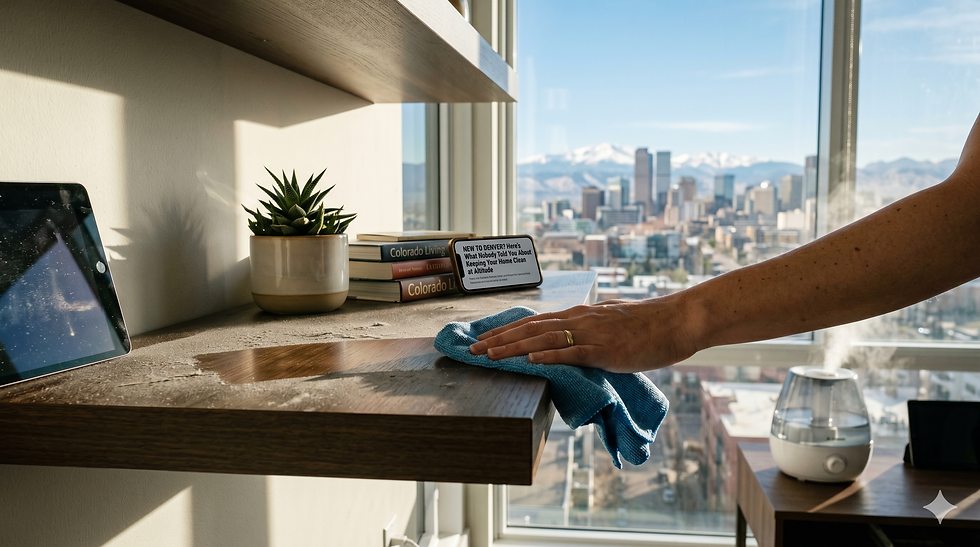
You packed up your life, survived the move, and landed in one of the most beautiful cities in the country. But a few weeks in, something feels off. There's dust on the shelves you just wiped. Your wood floors look dull. The air inside feels strangely dry, and you're not sure why.
Welcome to cleaning at 5,280 feet. It's genuinely different up here — and nobody warns you ahead of time.
If you moved to Denver from a humid city like Houston, Atlanta, Chicago, or anywhere on the East Coast, your old cleaning habits may not translate. Here's what's actually happening in your new home, and how to adjust.
Why Your Denver Home Gets Dustier Than Anywhere You've Lived
This is the thing that surprises almost every transplant. You clean on Saturday, and by Wednesday the surfaces are visibly dusty again.
It's not your imagination — and it's not the moving trucks.
Denver's climate is semi-arid. The humidity here regularly dips below 20%, sometimes even lower in winter when the heat runs constantly. In humid climates, moisture in the air acts as a kind of glue, causing dust particles to clump together and settle. In Denver's dry air, dust stays airborne longer and spreads further before it lands.
The result: dust accumulates faster and more visibly than most newcomers have ever experienced.
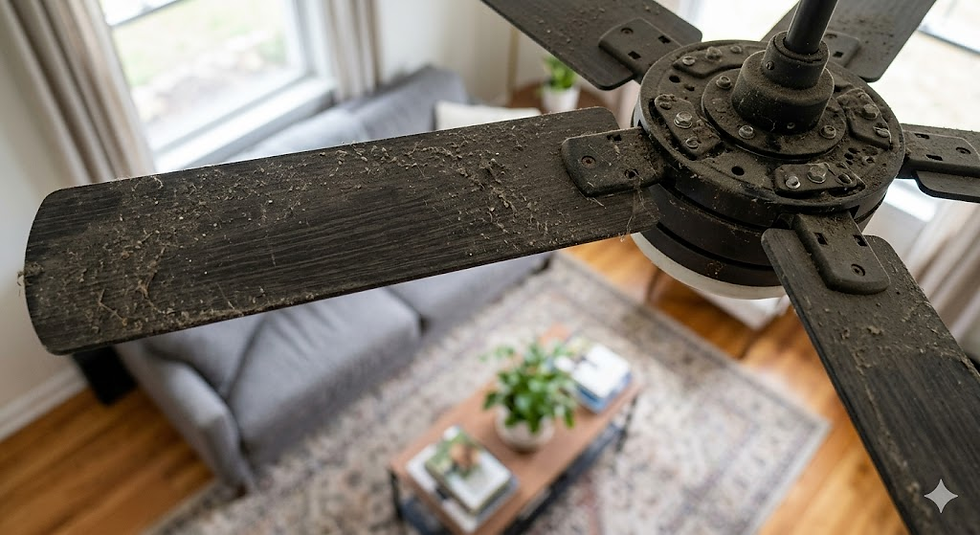
Ceiling fans, window blinds, electronics, baseboards, and the tops of door frames are the biggest culprits. If you've never had to wipe down your ceiling fan blades weekly before, you might start now.
What to do about it:
Run an air purifier with a HEPA filter, especially in bedrooms
Dust with a microfiber cloth (it traps particles rather than just moving them around)
Clean air vents and returns every 1–2 months — they clog faster here than you'd expect
Change your HVAC filter more frequently than the manufacturer suggests, especially in winter
Your Floors and Wood Furniture Will Behave Differently
Denver's dry air doesn't just affect your sinuses — it affects your home.
Hardwood floors can gap, warp, or creak as the wood contracts in low humidity. Wood furniture can crack along the grain. If you brought a dining table or bookshelves from a wetter climate, don't be surprised if they show stress over their first Colorado winter.
This isn't a cleaning issue so much as a moisture issue, but it changes how you clean: harsh floor cleaners and excess water are especially damaging on wood floors in Denver's dry climate. Damp-mop only, and dry quickly. Products that leave behind moisture or residue cause more harm here than they would in humid climates where surfaces dry more slowly.
Stone countertops also behave differently. Natural stone can lose its seal faster in dry conditions, and certain cleaning products that are fine in moderate humidity can leave a haze on granite or marble in Denver's dry air.
Static Electricity Is a Real Problem in Denver Homes (and It Makes Cleaning Harder)
If you've been shocking yourself on doorknobs or finding that dust just sticks to your TV screen no matter what you do, that's Denver's infamous dry-air static at work.
Static electricity attracts dust to screens, blinds, plastic surfaces, and electronics with a kind of magnetism. Cleaning these surfaces without addressing the static just moves the dust temporarily — it'll be back within days.
A few things that help:
Anti-static spray on screens and electronics before wiping
A humidifier in main living areas (keeps humidity between 30–45%, which is the sweet spot for comfort and reducing static)
Dryer sheets rubbed lightly over blinds and baseboards reduce the static charge that makes dust cling
Wildfire Smoke: A Denver Reality Nobody Mentions Until It Happens
If you moved here from the Midwest or the South, you may have never experienced wildfire smoke at scale. In Denver, late summer and fall can bring smoky skies as fires burn in the Rockies and across the western states. During those weeks, fine particulate matter (PM2.5) works its way into homes — through gaps around windows and doors, through HVAC systems, and simply through normal air exchange.
When smoke events hit:
Keep windows closed and run your AC on recirculate mode rather than drawing in outside air
Your HEPA air purifier earns its keep during these stretches
After a multi-day smoke event, wipe down hard surfaces — countertops, windowsills, blinds — with a damp cloth, as fine ash and soot can settle on everything
Fabric surfaces (sofas, curtains, rugs) absorb smoke odor; opening windows on the first truly clear day helps, but some items may need professional attention
The Seasonal Reality: Spring Mud, Winter Dust, and Denver's Wild Weather Swings
Denver's "300 days of sunshine" is real, but so is the famous saying: if you don't like the weather, wait five minutes. A 70°F spring afternoon can be followed by six inches of snow the next morning.
This creates some cleaning patterns that will feel new:
Spring: The snowmelt brings mud season. If you're near Washington Park, Sloan's Lake, or any of Denver's beloved trail systems, mud will be tracked in constantly. Door mats inside and out aren't optional.
Summer: UV exposure is intense at altitude. Fabrics fade faster. Dust is relentless. Windows that face south and west need more frequent cleaning because solar heat causes cleaning residue to bake onto glass.
Fall: Wildfire smoke season. See above.
Winter: You'll run heat for months, which drives indoor humidity even lower than Denver's already-dry baseline. Dust increases, static increases, and wood is under maximum stress. Clean vents before the heating season starts — you'll thank yourself in February.
You Don't Have to Figure This Out Alone
Plenty of Denver transplants spend their first year trying to keep up with dust and dryness before they realize that the cleaning routines that worked back home simply don't map to life at altitude.
A professional cleaning service that understands Denver's specific environment can help you get ahead of it — and keep your home genuinely clean between visits, rather than constantly catching up.
If you're new to Denver and want to get your home properly set up — or just want someone else to handle the dust — we'd love to help. Get in touch for a quote → text CLEAN to 303-505-5969.
Frequently Asked Questions for Denver Newcomers
Why is my house so dusty even after I just cleaned?
Denver's low humidity keeps dust particles airborne longer than in wetter climates, and they resettle constantly. Higher dust accumulation is normal here — it's not a reflection of how you're cleaning, just the environment. HEPA air purifiers and microfiber cloths help significantly.
Should I use a humidifier in my Denver home?
Yes, for multiple reasons. A whole-home or room humidifier maintaining 30–45% indoor humidity reduces static electricity, protects wood floors and furniture, makes dust easier to settle and clean, and is generally better for your health during Denver's dry winters.
Do I need to clean more often in Denver than in other cities?
Most people find they do, especially when it comes to dusting. The good news is that Denver's dry climate means mold and mildew are rarely a concern — you're trading one problem for another. Plan for more frequent dusting and air filter changes, but you're unlikely to ever deal with the humidity-related issues common in coastal cities.
What cleaning products work best in Denver's dry climate?
Avoid products that rely on moisture to activate or rinse cleanly — they can leave residue that doesn't evaporate as expected. For wood floors, use a lightly damp (not wet) mop and dry quickly. For stone, use pH-neutral cleaners. For glass, a simple vinegar-and-water solution works well and doesn't leave the streaks that some commercial products do in dry conditions.
Is wildfire smoke really bad enough to affect indoor cleaning?
During significant smoke events, yes. Fine particulate matter from wildfire smoke is small enough to penetrate most standard filtration, and it settles on all surfaces just like dust. During and after heavy smoke periods, HEPA filtration, surface wiping, and fabric airing are all worth doing.
Comments